Discover the Magic That Happens When Science Meets Touch
January 12 2026
From the author
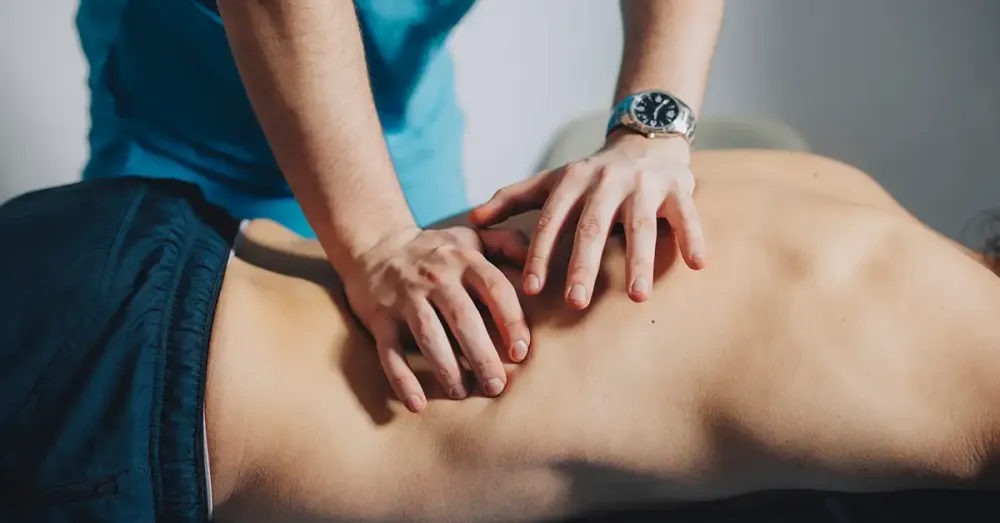
When massage therapy produces results that clients describe as unbelievable or even magical, what they are often experiencing is not magic at all—but science fully dedicated to clinical application.
True therapeutic outcomes emerge only when scientific understanding is applied directly and consistently in the treatment room. Not when science is discussed in abstraction, debated in isolation, or disconnected from hands-on clinical realities—but when it serves practice.
Today, I decided to share a recent professional discussion that clearly illustrates why clinically oriented science is essential, and why purely academic debate—when detached from real-world outcomes—often fails to advance patient care.
The Article That Sparked the Discussion
In one professional group, I shared my article:
“Pandemic-Related Chronic Stress as a Contributor to Neurocognitive and Somatic Dysfunction: Clinical Implications for Medical Massage Therapy”
https://www.medicalmassage-edu.com/blog/pandemic-stress-neurocognitive-somatic-dysfunction.htm
The article focuses on what many clinicians are now seeing daily in their practices: chronic stress–related fatigue, anxiety, sleep disturbances, headaches, dizziness, and cognitive dysfunction—conditions that have dramatically increased since the pandemic.
Almost immediately, one of the group members posted a detailed response questioning the scientific basis of my claims. I encourage readers to review her full post and my replies, as the exchange opens the door to a much broader and necessary professional discussion.
The Core Critique
The response emphasized the need for:
- Randomized Controlled Trials (RCTs)
- Systematic reviews from the last 10 years
- COVID-specific massage research
- Updated models of pain science, including allostasis and modern pain phenotypes
It also challenged my clinical framework, stating that:
- Pain does not reside in tissues
- Massage cannot “touch” fascia or muscles
- A tissue-based narrative is outdated
- Touch should be discussed primarily in terms of skin input, CT afferents, and perception
These are important points—and they deserve serious consideration. However, they also reveal a fundamental tension in healthcare today.
RCTs vs. Clinical Reality
Here is the key question:
Should clinical practice be guided exclusively by short-term RCTs and systematic reviews, or by long-term, reproducible clinical outcomes?
RCTs and systematic reviews are valuable tools—but they are not the only valid form of evidence. Clinical outcome reporting, based on consistent results observed over long periods of time, is a critical pillar of medical progress.
Historically, medical massage in European countries, was widely utilized in inpatient hospitals, outpatient clinics, and private practices. Its methods were refined through decades of observation, repetition, and reproducibility—long before modern research frameworks existed.
https://www.medicalmassage-edu.com/what-is-medical-massage/
When Evidence-Based Medicine Becomes a Dogma
The rigid application of “evidence-based medicine” has influenced many fields—including massage therapy. In many cases, this influence has caused harm.
When evidence-based slogans replace clinical reasoning, practitioners may lose:
- Hands-on diagnostic skills
- Clinical confidence
- The ability to adapt treatment to individual patients
One striking example is the widespread prescribing of opioids—once justified by evidence-based guidelines and RCTs. The result was catastrophic, contributing to addiction and the destruction of millions of lives.
This does not mean RCTs are useless. It means they are insufficient when used in isolation.
Clinical Science Must Serve the Treatment Room
Massage therapy is not performed in journals—it is performed in treatment rooms, with real people, complex histories, and long-term conditions.
Clinical science must answer practical questions:
- Does this method produce consistent results?
- Can it be reproduced by trained practitioners?
- Does it improve function, regulation, and quality of life over time?
Science that cannot guide hands-on care is incomplete.
An Invitation to Professional Dialogue
I welcome critique. I welcome challenge. And I welcome debate—when it is grounded in professional respect and a shared goal of improving patient outcomes.
I encourage colleagues to:
- Read the article carefully
- Review the history and clinical foundations of medical massage
- Examine long-term outcomes, not only short-term trials
- Participate actively in constructive educational discussion
This is how professions evolve—not by rejecting science, but by integrating science with clinical wisdom and hands-on experience.
When science truly meets touch, the results may feel like magic—but they are anything but accidental.
To conclude, I encourage everyone to read my article carefully and challenge its ideas. This is precisely what constructive, professional educational discussion is meant to be.
Thank you for the thoughtful and engaging discussion.
https://www.medicalmassage-edu.com/blog/be-informed-or-else.htm
Best wishes.
Add New
Comments
no comments found
Recents Posts
October 06 2026
Hormesis from a Massage Therapist’s Point of View — Part 2
September 28 2026
Hormesis from a Massage Therapist’s Point of View
September 23 2026
MEDICAL AND SPORTS MASSAGE EDUCATION FROM BORIS PRILUTSKY® — OR NOT A GOOD INSTRUCTOR?


