Medical Massage Protocol Targeting Cervical–Diaphragmatic Neurophysiology in cases of Long, Covid and Chronic stress related disorders.
March 16 2026
Author’s Perspective
In numerous articles discussing the role of medical massage in cases of Long COVID and chronic stress–related disorders, I have approached the topic from several different perspectives. Despite examining these conditions through various clinical and physiological angles, the conclusion consistently leads to the same point: regardless of whether the initiating factor is a viral infection or prolonged psychological stress, the pathological cascade often begins at the level of muscles and fascia.
Our ability to release tension within muscles and fascial structures may influence several important physiological processes. These include improving microcirculation, accelerating cerebrospinal fluid dynamics, and enhancing venous drainage from the brain structures. In addition, therapeutic techniques—including cervical, thoracic, and abdominal massage—may assist in reducing venous stagnation within the abdominal cavity, increasing vagal tone, and supporting autonomic nervous system balance.
In previous articles, I have described how these mechanisms can initiate a positive physiological cascade, potentially reducing inflammatory activity and supporting systemic recovery. In this overview, I would like to focus more specifically on how abnormalities within muscles and fascia may serve as a primary trigger for pathological developments associated with both chronic stress–related disorders and Long COVID.
Understanding the interaction between neuromuscular tension, autonomic regulation, and neuroinflammation provides a physiological rationale for targeted medical massage interventions in chronic stress-related disorders and Long COVID.
Chronic contraction of cervical musculature and restriction of diaphragmatic mobility may impair microvascular circulation, alter respiratory mechanics, and reduce parasympathetic regulation through the Vagus Nerve. Reduced vagal activity weakens the Cholinergic Anti-Inflammatory Pathway, which normally suppresses pro-inflammatory cytokine release. Experimental and clinical studies demonstrate that vagal cholinergic signaling can directly inhibit inflammatory cytokine production through α7 nicotinic acetylcholine receptors on immune cells.
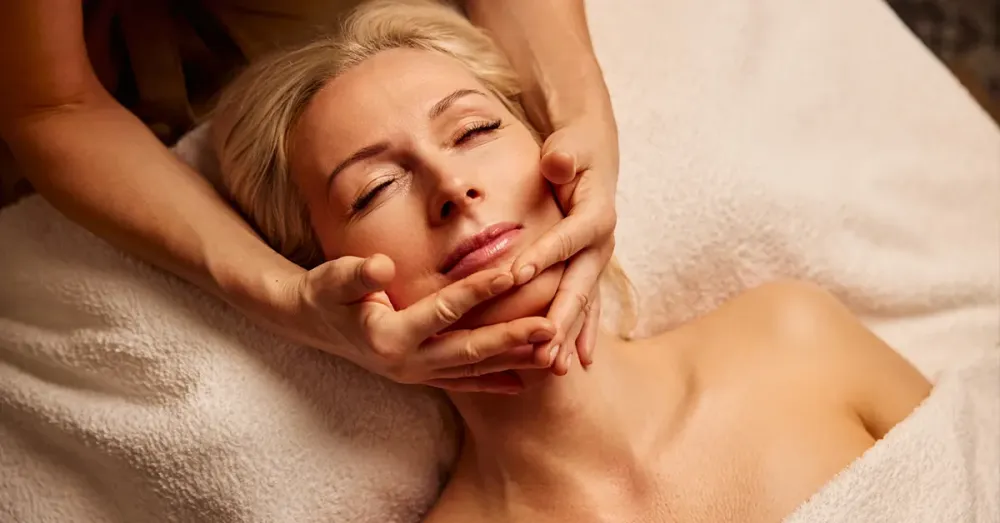
Medical massage techniques directed at specific sequence at anatomical regions may influence this physiological cascade through several mechanisms.
1. Cervical Neuromuscular Decompression
Techniques targeting suboccipital muscles, scalenes, and deep cervical extensors aim to reduce mechanical compression around cervical vascular and neural structures. Decreasing cervical muscle hypertonicity may improve microvascular perfusion and support normal autonomic signaling.
2. Thoracic Outlet and Upper Thoracic Release
Massage techniques addressing the upper thoracic fascia and costovertebral joints may improve lymphatic and venous drainage from the cranial cavity and spinal cord while facilitating respiratory mobility.
3. Diaphragmatic Release and Respiratory Repatterning
Medical massage release of diaphragmatic fascial restrictions combined with guided breathing may restore efficient respiratory mechanics and improve oxygen exchange,can improve symptoms and well-being in individuals with Long COVID by stabilizing autonomic nervous system activity.
4. Abdominal Venous and Lymphatic Drainage
Gentle abdominal techniques may help reduce venous congestion in the abdominal cavity and improve circulation through the portal and lymphatic systems, supporting systemic metabolic clearance.
5. Autonomic Nervous System Rebalancing
Through stimulation of mechanoreceptors within muscles and fascia, medical massage may activate parasympathetic pathways and improve autonomic balance. Increased parasympathetic tone may enhance acetylcholine signaling and support anti-inflammatory neural reflexes.
Proposed Positive Physiological Cascade
Targeted medical massage interventions may help initiate a constructive physiological cascade:
Reduction of cervical and diaphragmatic tension:
- improved microvascular circulation
- enhanced oxygen delivery to neural tissues
- mitochondrial metabolic recovery
- increased ATP production
- restoration of acetylcholine signaling
- activation of parasympathetic regulation
- suppression of inflammatory cytokines
- reduction of neuroinflammation.
By the way, everything I described above essentially represents a syllabus and learning objectives for what I will continuously demonstrate during the class.
Within a single class, I will present multiple massage techniques and clinical concepts.
As I have already mentioned—and I want to repeat—I have never before presented a class this comprehensive and information-dense. Never.
If you haven’t had the opportunity to review it yet, please click the link below.
Thank you.
https://www.medicalmassage-edu.com/products/long-covid-chronic-stress-related-disorders.htm
Reference List.
Neuroinflammation and Neuroimmune Regulation
- Tracey KJ. The inflammatory reflex. Nature. 2002.
- Pavlov VA, Tracey KJ. The cholinergic anti-inflammatory pathway. Brain Behavior and Immunity. 2005.
- Alen NV. The cholinergic anti-inflammatory pathway in humans. Neuroscience & Biobehavioral Reviews. 2022.
- van Maanen MA et al. The cholinergic anti-inflammatory pathway. Nature Reviews Rheumatology. 2009.
- Gallowitsch-Puerta M., Pavlov VA. Neuro-immune interactions via the cholinergic anti-inflammatory pathway. Life Sciences. 2007.
- Ji H. et al. Vagus-nerve-mediated cholinergic circuits regulate inflammation. Mucosal Immunology. 2014.
- Zhang Y. et al. α7 nicotinic receptor in inflammatory regulation. Journal of Neuroinflammation. 2023.
Long COVID Pathophysiology
- Davis HE et al. Characterizing Long COVID symptoms. Lancet. 2021.
- Nalbandian A et al. Post-acute COVID-19 syndrome. Nature Medicine. 2021.
- Yong SJ. Long COVID and mitochondrial dysfunction. Journal of Medical Virology. 2021.
- Proal AD, VanElzakker MB. Long COVID or post-acute infection syndromes. Frontiers in Microbiology. 2021.
- Mehandru S., Merad M. Pathological sequelae of COVID-19. Nature Reviews Immunology. 2022.
- Park J. et al. Network analysis of Long COVID pathophysiology. 2025.
Autonomic Nervous System and Vagal Regulation
- Thayer JF., Lane RD. The role of vagal function in stress regulation. Biological Psychology.
- Bonaz B., Sinniger V., Pellissier S. The vagus nerve in inflammatory diseases. Frontiers in Neuroscience.
- Breit S. et al. Vagus nerve as modulator of the brain-gut axis. Frontiers in Psychiatry.
- Clancy JA et al. Non-invasive vagus nerve stimulation in humans. Brain Stimulation.
Mitochondrial Dysfunction and Neuroinflammation
- Picard M. et al. Mitochondria in stress responses. Nature Reviews Neuroscience.
- Wang W. et al. Mitochondrial dysfunction in neuroinflammatory disease. Journal of Neuroinflammation.
- Nicolson GL. Mitochondrial dysfunction and fatigue syndromes. Journal of Translational Medicine.
- Filler K. et al. Mitochondrial dysfunction in chronic fatigue. International Journal of Clinical and Experimental Medicine.
Breathing Physiology and Autonomic Balance
- Lehrer P., Gevirtz R. Heart rate variability biofeedback. Applied Psychophysiology.
- Zaccaro A. et al. Breathing and vagal modulation. Frontiers in Human Neuroscience.
- Hopper SI et al. Diaphragmatic breathing and stress reduction. Systematic Review.
- Balban MY et al. Breathing interventions and vagal regulation. Cell Reports Medicine.
- Resonant breathing improving Long COVID symptoms. PubMed.
Neurovascular and Microcirculation Mechanisms
- Iadecola C. Neurovascular regulation in the brain. Neuron.
- Attwell D. et al. Glial and vascular interactions in brain metabolism. Nature.
- Kisler K. et al. Cerebral blood flow regulation. Nature Neuroscience.
Stress Physiology and Inflammation
- McEwen BS. Protective and damaging effects of stress mediators. New England Journal of Medicine.
- Slavich GM., Irwin MR. Stress and inflammation. Psychological Bulletin.
- Dantzer R. Inflammation and behavior. Nature Reviews Neuroscience.
Medical massage and Physiological Effects
- Field T. Massage therapy research review. International Journal of Neuroscience.
- Weerapong P. et al. Mechanisms of massage therapy. Sports Medicine.
- Crane JD. et al. Massage therapy reduces inflammatory signaling after exercise. Science Translational Medicine.
Add New
Comments
no comments found
Recents Posts
September 28 2026
Hormesis from a Massage Therapist’s Point of View
September 23 2026
MEDICAL AND SPORTS MASSAGE EDUCATION FROM BORIS PRILUTSKY® — OR NOT A GOOD INSTRUCTOR?
September 09 2026
Constantly Reproduced Clinical Evidence vs. Acceptable Language in Research Papers


